We use cookies

We use cookies and other tracking technologies to improve your browsing experience on our website, to show you personalized content and targeted ads, to analyze our website traffic, and to understand where our visitors are coming from. More info


Insights

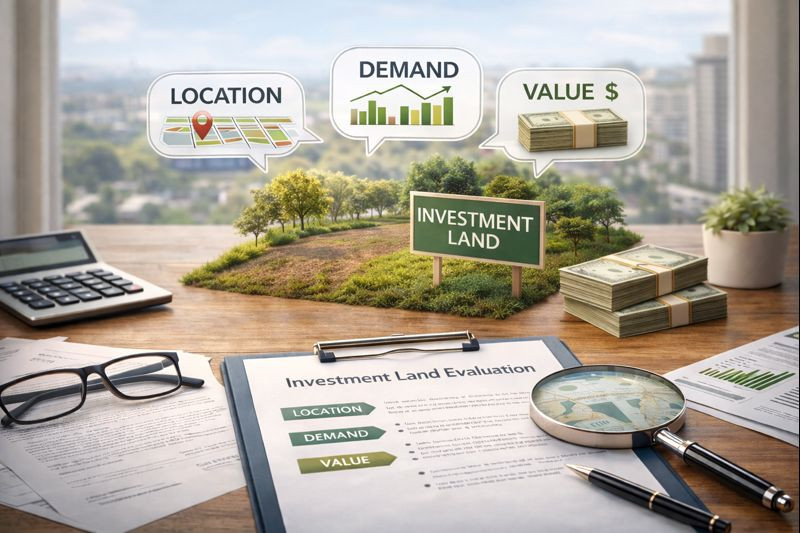
Owners of large plots of land often ask us whether their land can be considered "investment land." They often hear that investment lands are the most sought after by investors and therefore the most valuable. But what exactly is an investment land, and what types of investment lands exist? How are they properly evaluated?


Sale & leaseback—often referred to as Sale & Leaseback (S&L)—is one of the most practical financial strategies for companies that want to release capital tied up in real estate while continuing to use the property without interruption. While it has long been standard practice in mature international markets, it is increasingly being adopted across Central Europe as businesses look for flexible funding solutions.


We regularly encounter various investment strategies that allow investors to maximize their returns and effectively manage their portfolios. Investing in real estate offers several strategies that investors can utilize depending on their goals, risk profile, and time horizon. Different approaches to investing may require varying levels of involvement, capital requirements, and time commitments, making it important to understand what options are available.


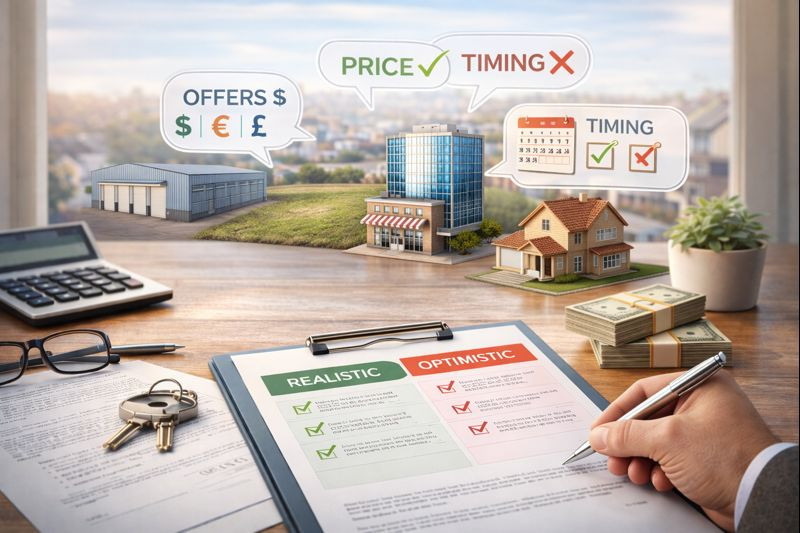
Selling and buying real estate are often shaped by both emotional and financial expectations. To ensure the process is successful, it is essential to set realistic expectations from the start—especially regarding price, timing, and the key terms of the transaction. Market conditions, demand, and financing can change quickly, which is why decisions should be based on data and comparable transactions rather than an “ideal” assumption. When expectations are aligned with reality, sellers and buyers avoid prolonged timelines, unfavorable compromises, and wasted effort—while significantly increasing the likelihood of achieving the best possible outcome.


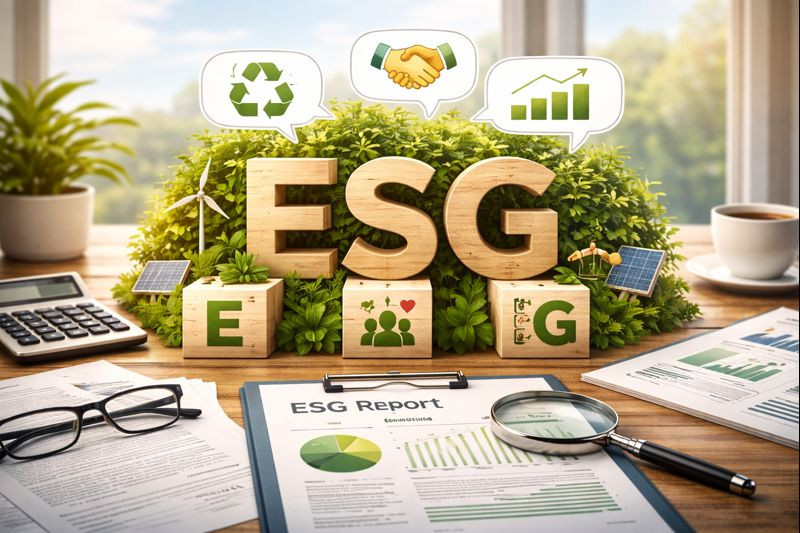
ESG stands for Environmental, Social, and Governance, which translates to environmental, social, and governance factors. These three areas are key criteria that investors and companies use to evaluate the sustainability and ethical impact of their investments and operations.


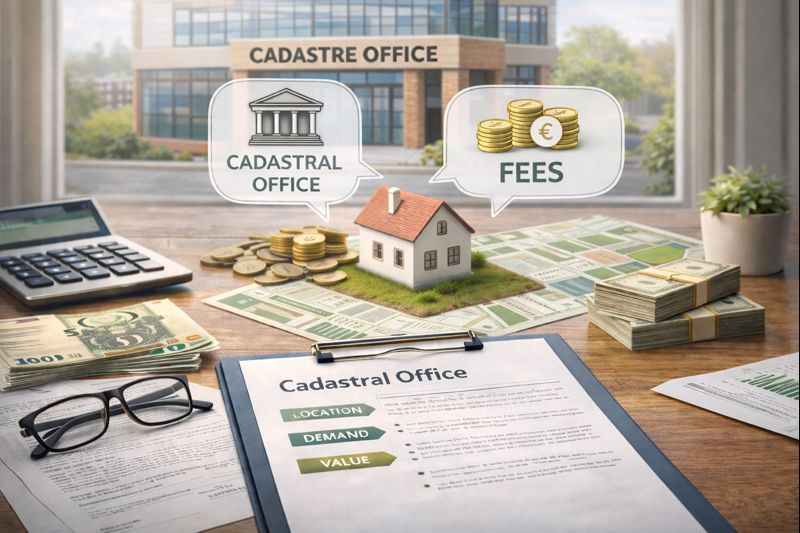
The cadastre of real estate is a key public register that records all properties in Slovakia. It is an essential tool for managing ownership rights and legal relationships concerning land, buildings, and other properties. If you plan to sell, buy, or inherit real estate, it is important to familiarize yourself with the registration process in the cadastre and the associated fees.